
Local Italian Culture
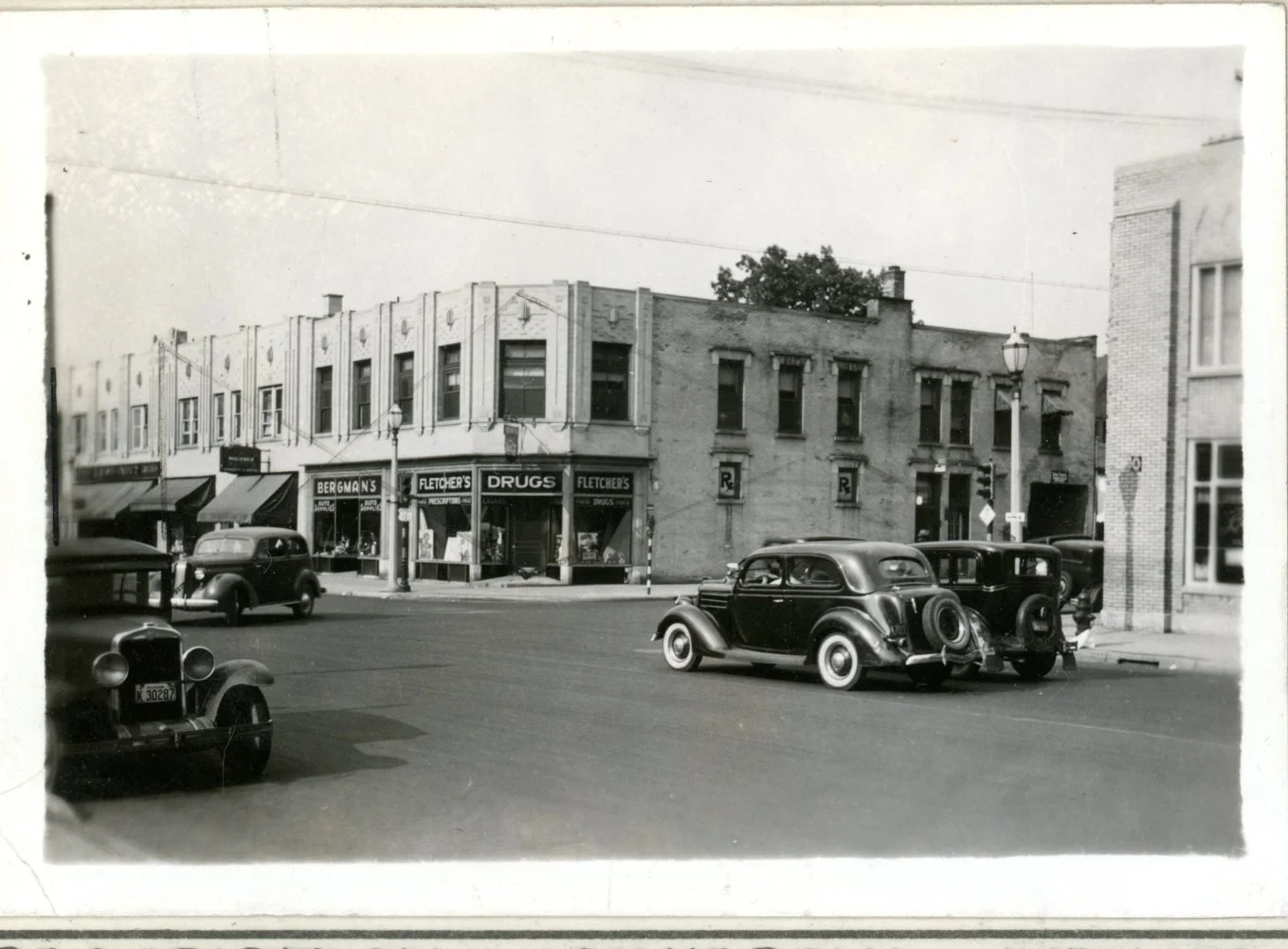
In the early 20th Century, nearly every major US city had a “Little Italy” neighborhood and Grand Rapids, Michigan was no exception. In the late 1800s, Italians from Northern Italy began arriving in West Michigan, most of them working as fruit dealers, wood carvers and stone masons. Driven by economic hardships in the Mezzogiorno (Southern) region of Italy and the reduced cost of a steamship ride to America, a wave of Sicilians began arriving in Grand Rapids at the turn of the century. Most of the first Sicilians came from Termini Imerese. Within a few years, many arrived from Alcamo and then from the villages surrounding Palermo, such as Montelepre, Cinisi, Giardinello and Terrasini. Many of the immigrants were uneducated and spoke very little English, so they created their own community where they could share their customs and do business. By the 1910s, the area bounded by Wealthy St, Madison Ave, Hall St and the Pere Marquette Railroad tracks had several Italian owned grocery stores and businesses to serve the “Little Italy” neighborhood that had developed in that part of the city.
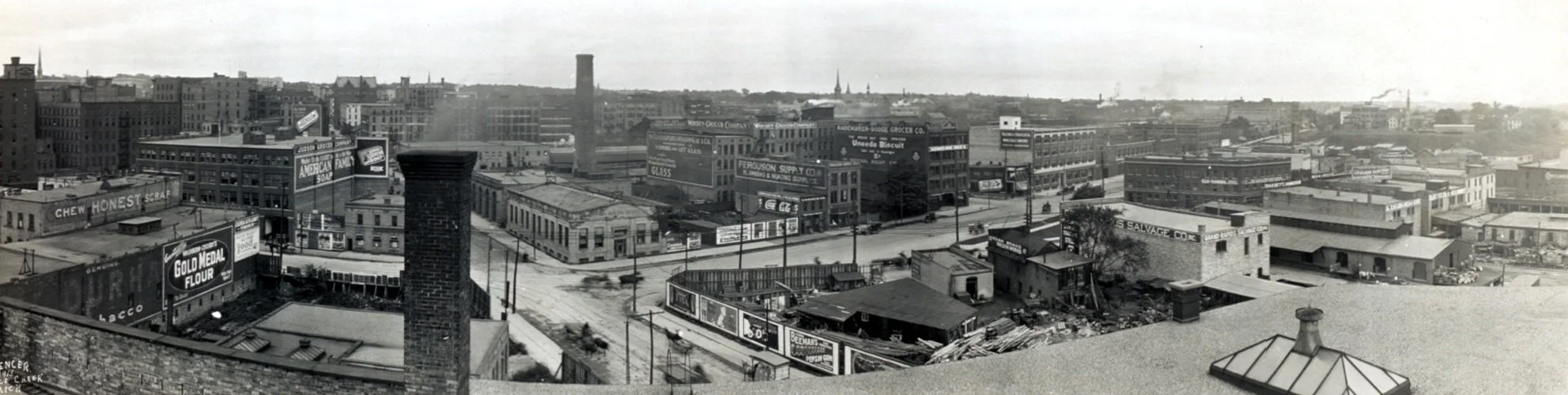
The West side of Grand Rapids, which has been traditionally known as the Polish neighborhood, was also inhabited by a great number of Italian immigrants. Most of the West side Italians were from villages surrounding Rome, such as Tivoli, Montefiascone and Montorio Romano, and many of them worked in the nearby plaster mines.
Lou Educato, founding club member and former club president, describes his memories of growing up Italian in Grand Rapids.
My mother finished the third grade and was then forced to quit to help at home to help care for five brothers and a sister… This was common for most families. The girls helped at home and the boys found a job to help with living expenses. Some had their little corner grocery stores, like G. B. Russo & Sons, the Terranova, and Bulgarella families. The aroma of Italian cheeses, salami, oregano, basil and rosemary, as one entered those stores, was a little bit of heaven.
If you wanted certain services at your doorstep, that was also available. Milk and ricotta cheese was delivered from Palazzolo’s Dairy; numerous peddlers called out their wares and pushed their carts up and down the streets. They peddled everything from fresh fish, chickens, meats, clothing, bedding and everything in between. Many Italians also worked for the railroad and businesses in town. There were two pool halls, social clubs for young Italian men, on Division Ave. Gambling was illegal, but card games like scopa and briscola, played across the country, were regularly played for money and entertainment. The scores came in from all over the country by the old Western Union telegraph ticker tape machine and were then written on the blackboard in the hall. Most events happening in the Italian communities were put up on the board.
Community and Religion
As early as 1899, Father John A Schmitt was offering Catholic mass to the Italian community in the basement of St Andrew’s Cathedral, aided by Charles Etschorn and Thomas Cavagnaro. By 1908, with approximately 75 Italian families living in Grand Rapids, Bishop Henry Joseph Richter felt it was necessary to send for a priest from Sicily that could “address their special concerns, encourage their assimilation, and most importantly, speak their language.” Father Salvatore Cianci, a priest born in Palazzolo Acreide, Sicily, was asked by Bishop Richter to come to Grand Rapids to care for the rapidly growing Italian congregation.
Arriving in Grand Rapids on August 26, 1908, and even before performing his first homily, Fr. Cianci immediately began visiting many of the Italian families in the area. His first sermon on September 20, 1908 was on Maria SS. Addolorata (Our Lady of Sorrows). While teaching the rapidly growing wave of Italian immigrants to assimilate and be virtuous, he began raising funds for a new church. On Easter Sunday, March 27, 1921, Our Lady of Sorrows Church was completed and blessed by Bishop Edward Kelly.
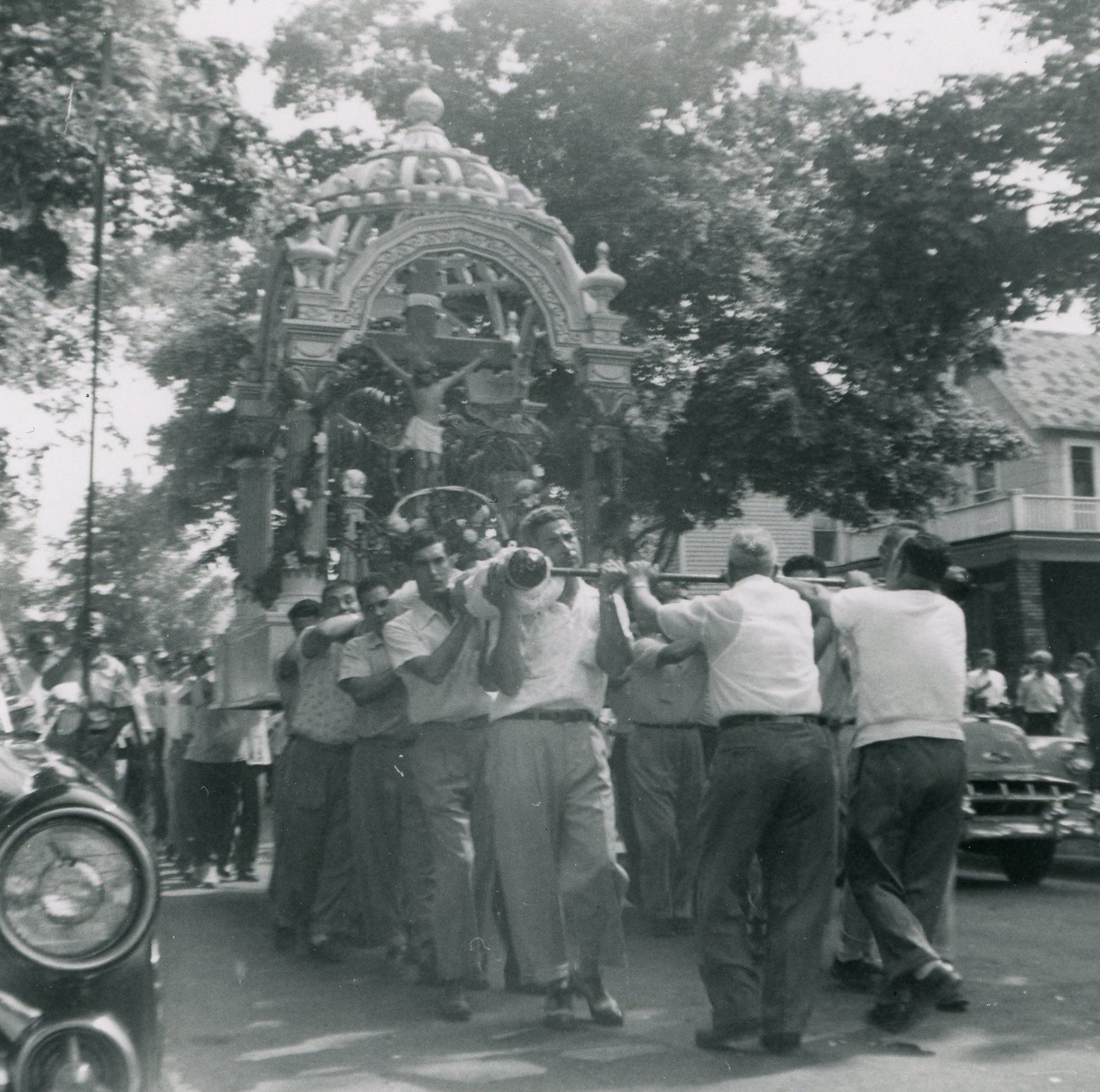
In Italy, many cities and villages have their own religious celebrations to honor their patron saints. The Italian immigrants began holding the festivals of their homeland at Our Lady of Sorrows Church as well. The most spectacular church festival of the year was the feast of the Holy Crucifix (SS Crocifisso), the patron saint of Montelepre, Sicily. In 1922, Giuseppe Di Leonardo crafted a Baldacchino devoted to SS Crocifisso and on May 28 of that year, Our Lady of Sorrows began the annual tradition of a procession through “Little Italy”. The 2-ton Baldacchino was carried by 40 men, and due to its height, some men would accompany them with long wooden poles to raise the electrical wires for clearance. The women, many of whom walked barefoot, carried candles and recited The Rosary. Children who also participated in the procession were dressed in their first communion attire and The Grand Rapids Italian Band provided music. Following the procession, there was a celebration on the church grounds with refreshments, games and prizes.
Beyond religious organizations, the Italian community of Grand Rapids formed various social clubs over the years. In the early 1900s, the Italian women formed the Societa Margherita Italiana. There was also the Italian American Brotherhood which used the former Wurzburg mansion as their clubhouse. By the 1930s, the Marconi Club could be found playing baseball against other local amateur teams. In November of 1982, an organizational meeting was held at Our Lady of Sorrows Church to elect officers to the newly formed Grand Rapids Chapter of The Order of the Sons of Italy, which eventually evolved into the Italian-American Club of West Michigan.
Today
There are few indicators left of the once thriving Italian community of Grand Rapids. The Italian grocery stores and pool halls that once lined Division Ave are only a memory. Most of the houses and even some of the streets from the old “Little Italy” fell victim to urban renewal. Our Lady of Sorrows church still exists, but the demographics of the congregation have evolved along with the community it serves. The Baldacchino that was once carried through the neighborhood has been restored and is the centerpiece of a display at the Grand Rapids Public Museum.
The Italian-American Club of West Michigan exists to preserve the heritage of our Italian immigrant ancestors, not just from Grand Rapids but all regions of America. We retain the stories they handed down about the hardships they endured, the values they passed on, and we continue their legacy for the next generation.

Division Ave just North of Franklin St facing North 1958
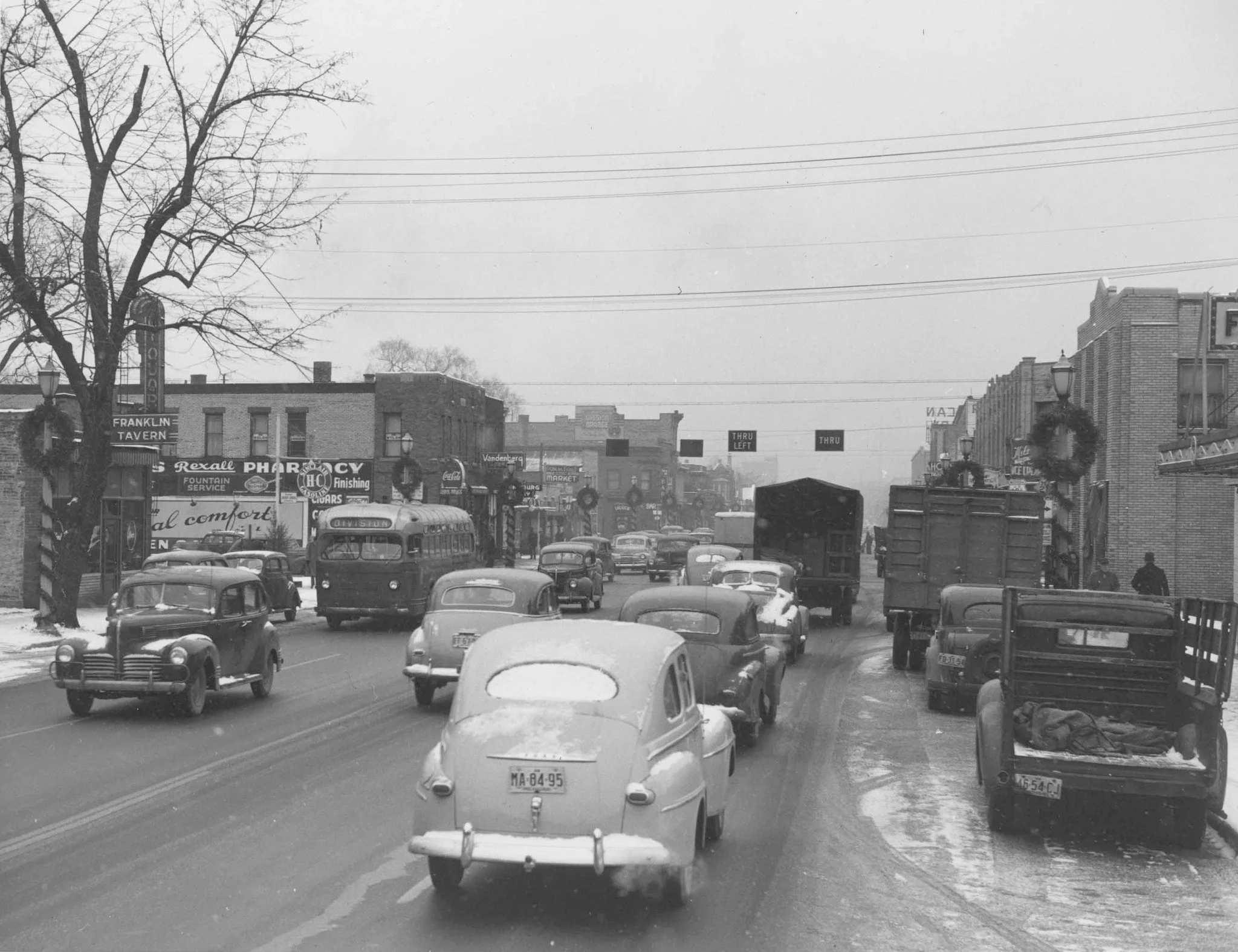
Division Ave at Franklin St in 1948
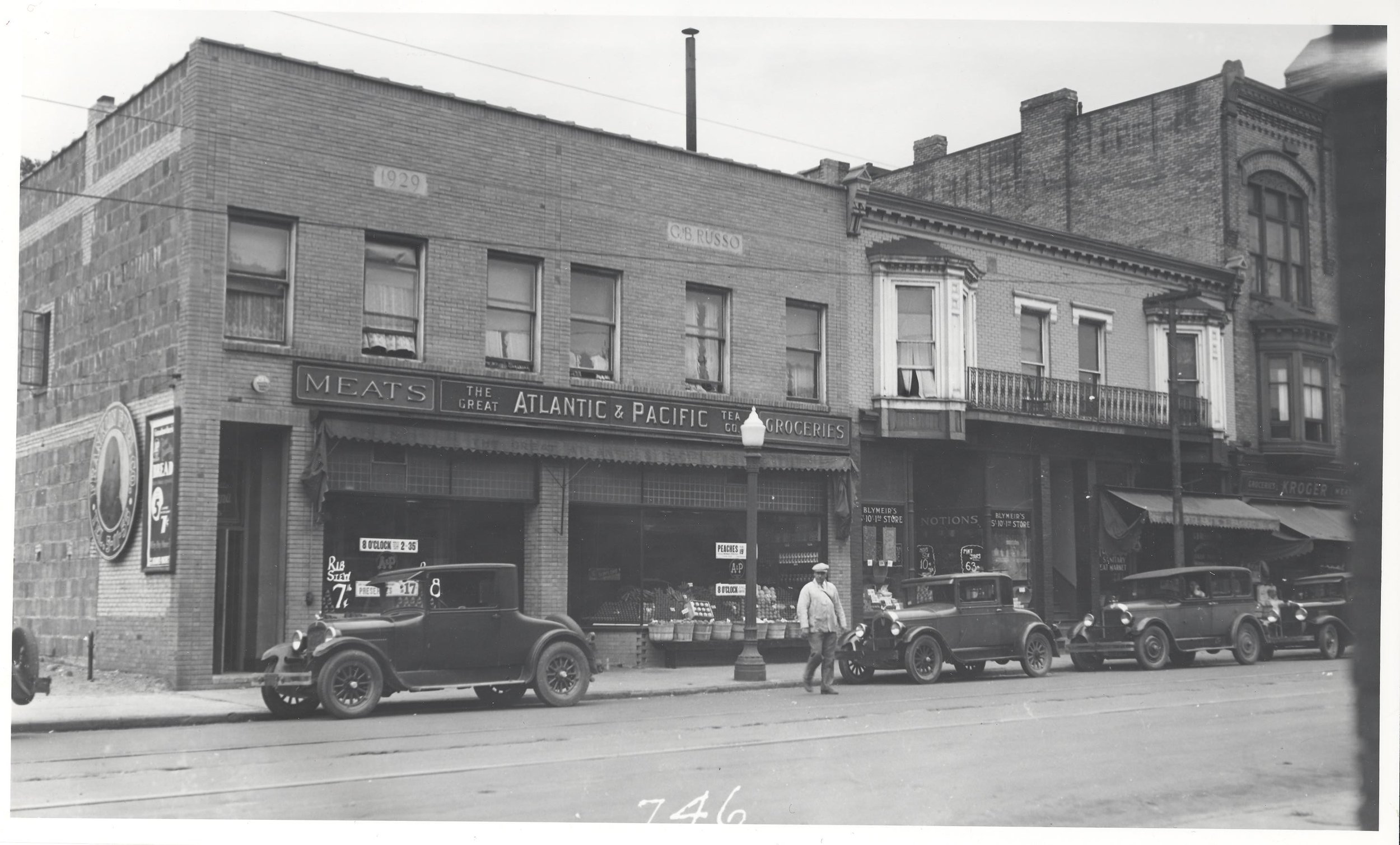
GB Russo Building 1920s
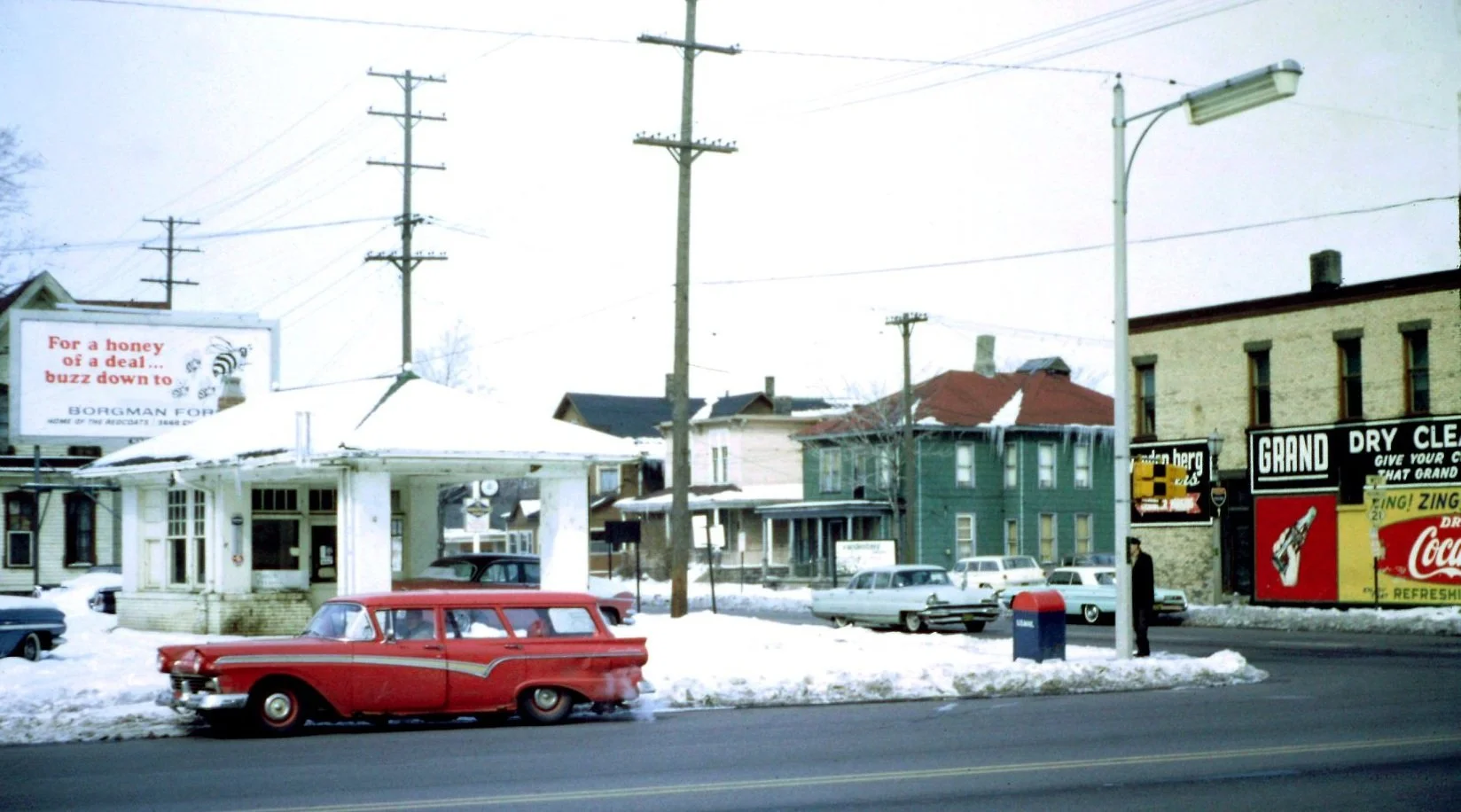
Division Ave at Franklin St facing Northwest in 1958
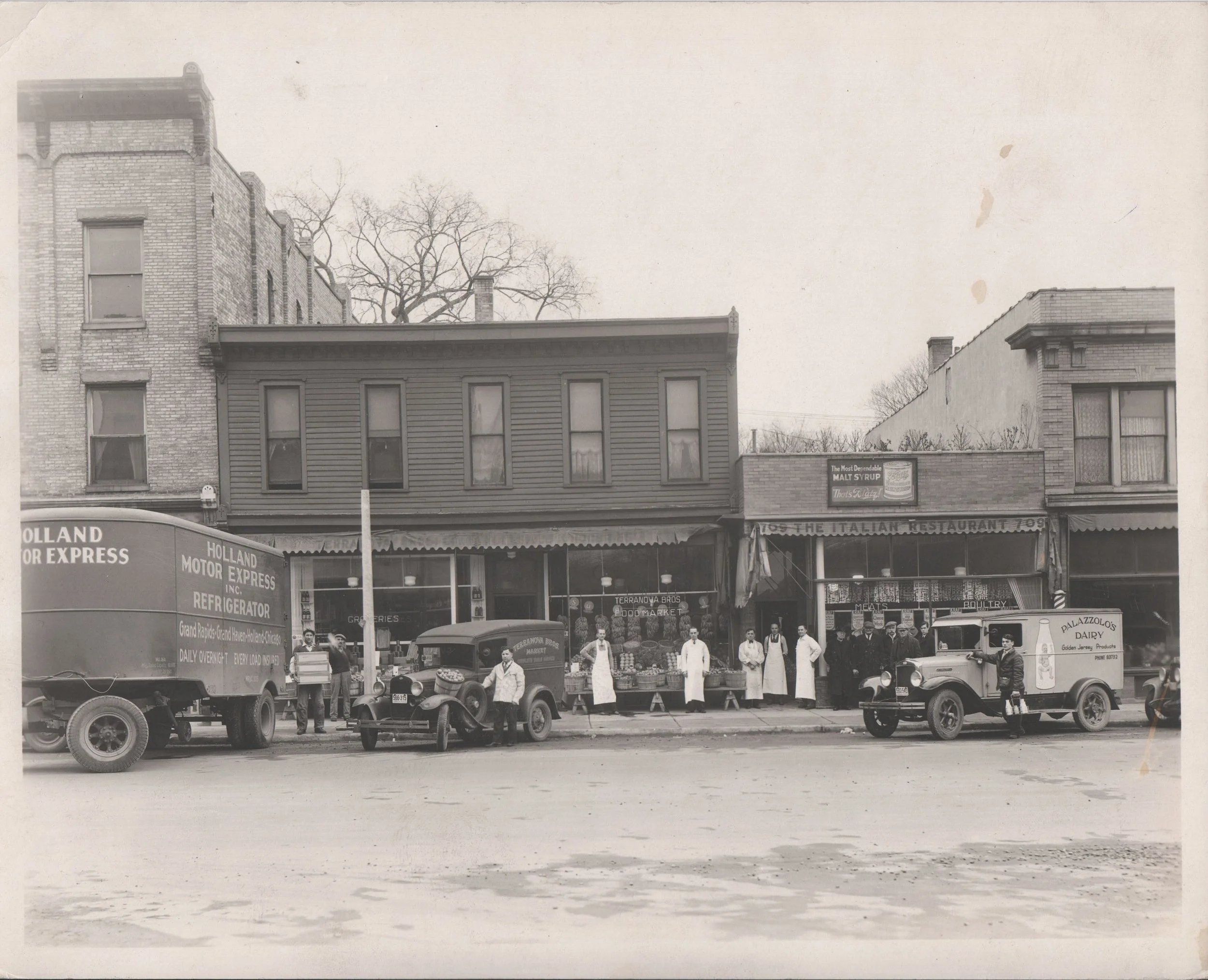
Terranova Bros Grocery & Palazzolo Dairy Truck
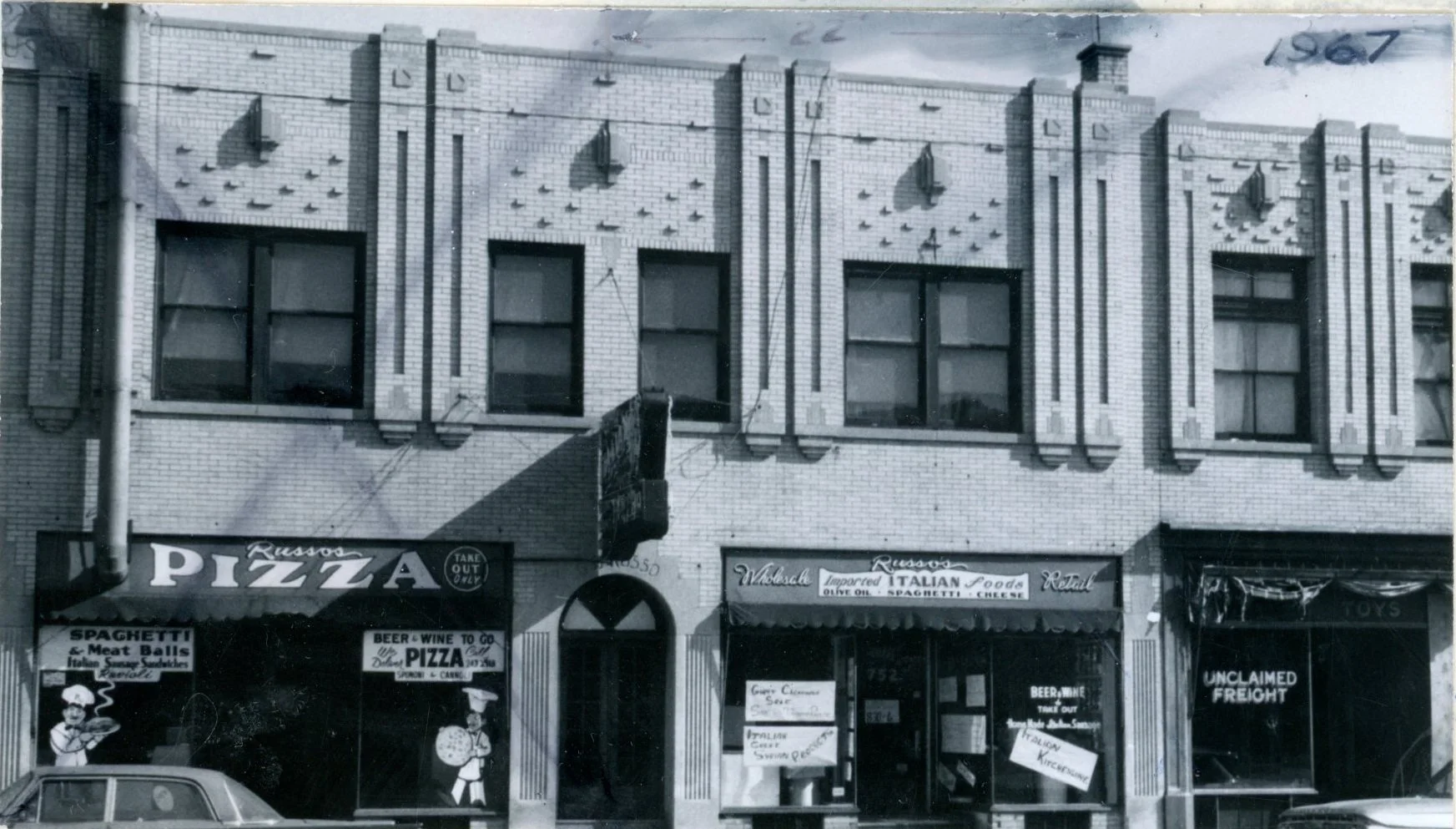
Russo's Pizza & Market 1967

Division Ave just North of Franklin St facing North 1958
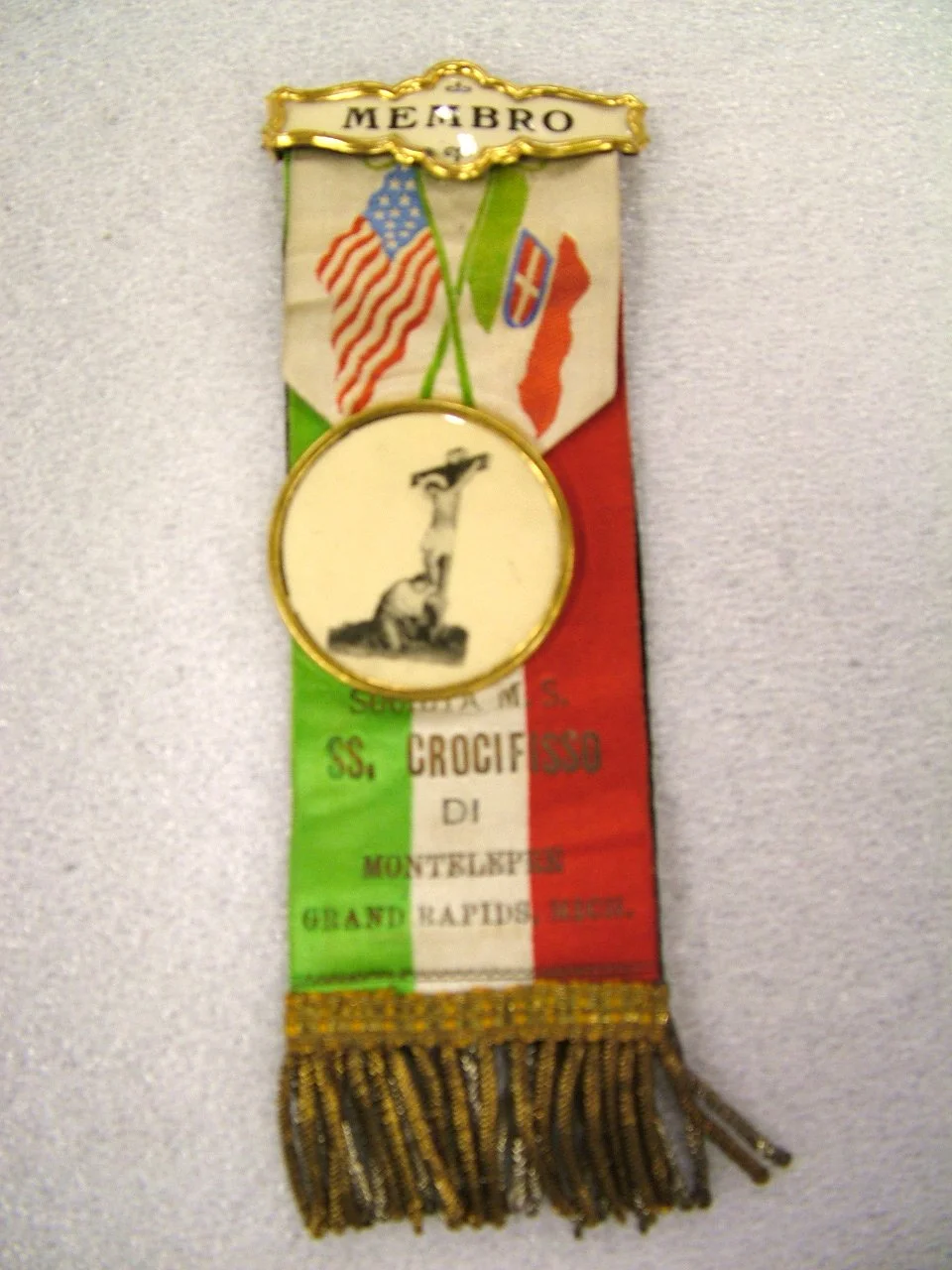
SS Crocifissa Society Membership Ribbon
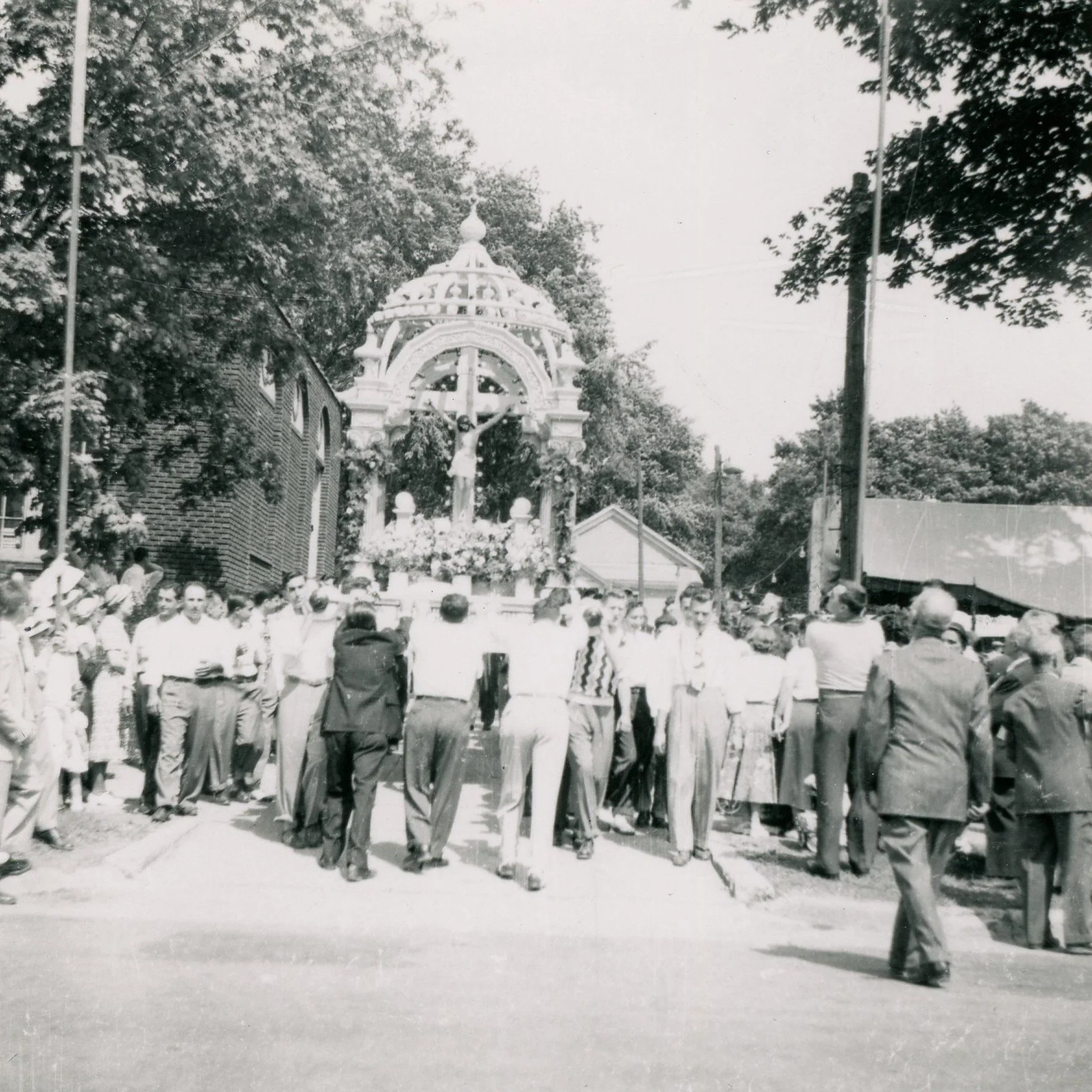
Baldacchino
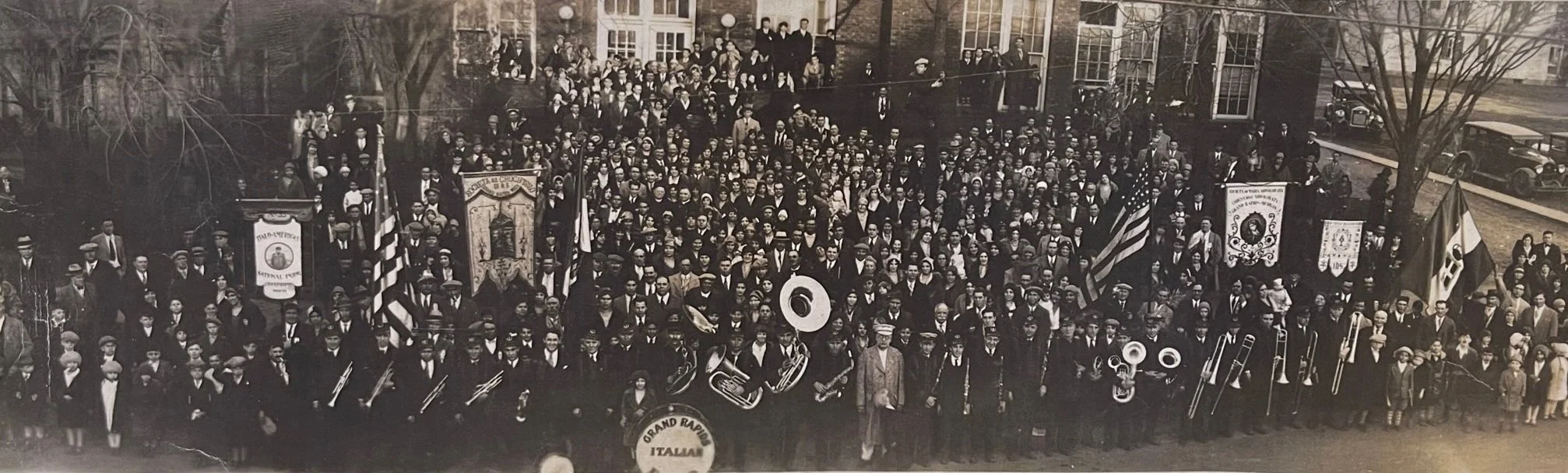
Our Lady of Sorrows Festival
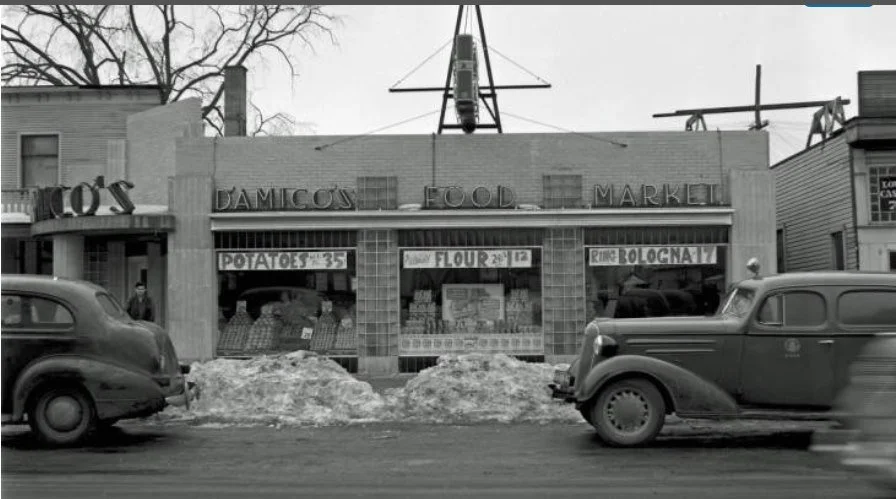
D'Amicos Food Market